ETHOS
NOT
AESTHETIC
Team 10 and the Doorn Manifesto: The Street in the Sky
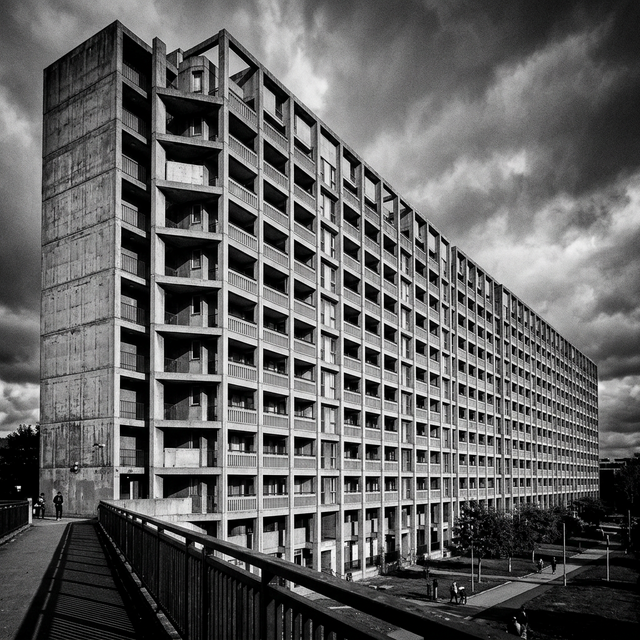
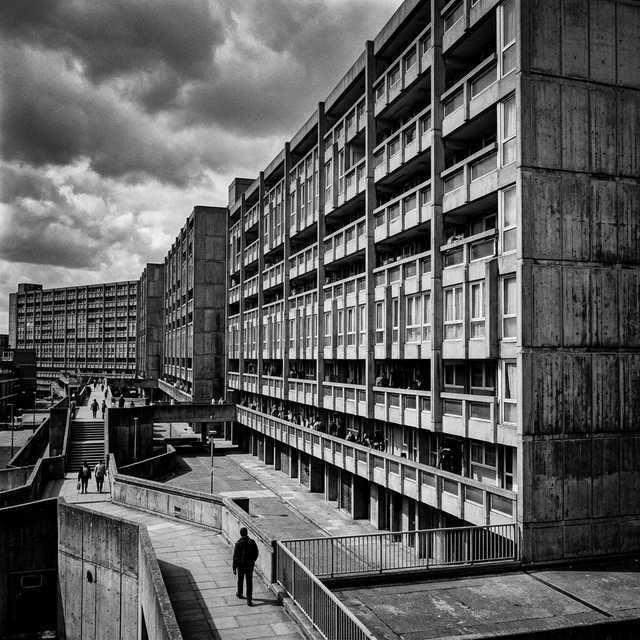
The philosophical schism that catalyzed Brutalism occurred within the Congres Internationaux d'Architecture Moderne (CIAM). A younger, militant faction—dubbed Team 10—chafed against the rigid, top-down functionalist zoning proposed by CIAM heavies like Le Corbusier (specifically, the Athens Charter which rigidly separated cities into distinct zones for living, working, and recreation). In 1954, Team 10 issued the Doorn Manifesto, a pivotal document that argued for an architecture rooted in human association rather than abstract functionalism. They posited that working-class life was defined by the complex, chaotic social interactions of the physical street—interactions that were violently erased by the isolated tower-in-the-park model favored by early modernists. The Smithsons and their contemporaries proposed replacing the traditional street with the 'street in the sky'—massive, elevated concrete pedestrian decks that connected colossal brutalist housing blocks. These decks designed not just for transit, but wide enough for the milkman's cart and children's play, aimed to recreate the close-knit community ties of the demolished slums within a hyper-modern, sanitary megastructure. This approach represented a radical sociopolitical optimism: the belief that massive, state-sponsored architectural interventions could socially engineer a more cohesive, democratic society. The aesthetics followed the ethic: the buildings had to be brutally legible, their circulation routes violently expressed on the exterior facade as distinct, load-bearing concrete elements, rather than hidden within an anonymous glass box.
The Moral Imperative of Structural Honesty
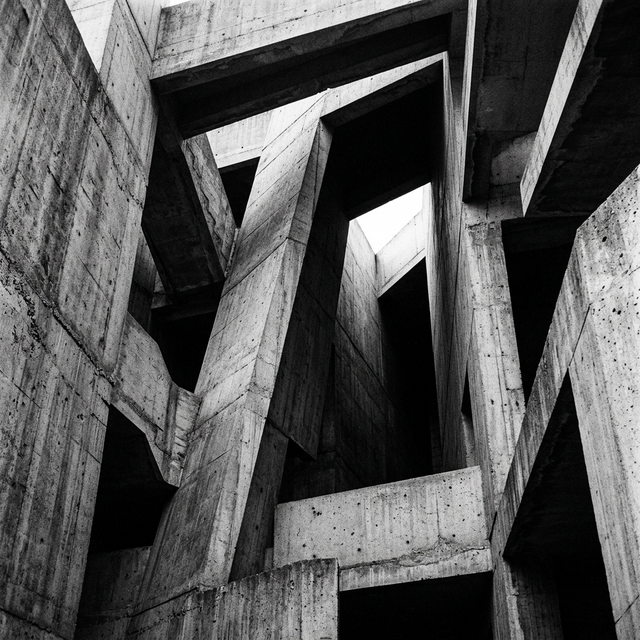
A central pillar of the Brutalist ethos is the absolute, uncompromising exhibition of structure and building services. In a Brutalist building, the mechanics of support—the tension, the compression, the gravity pushing down upon the earth—must be viscerally felt. This was achieved through the deployment of massive, over-engineered structural elements: monolithic pilotis, colossal reinforced concrete shear walls, and deeply cantilevered slabs that defied intuitive physics. The philosophy demanded that a building must never lie about how it stands up. If a beam carries weight, it must look capable of carrying weight; it must not be hidden behind a false ceiling or a veneer of polished granite. This extended to the building's circulatory systems: ductwork, plumbing, and electrical conduits were frequently left exposed, celebrated as the vital organs of the structure. The material finish itself—whether raw board-marked concrete (béton brut) retaining the rough timber grain of its formwork, or bush-hammered concrete where the smooth cement paste is forcefully chipped away to expose the coarse aggregate beneath—was an exercise in material asceticism. The Smithsons argued for the 'as found' aesthetic, positing that materials possess an intrinsic dignity when left unadulterated. This rejection of ornament and finish was deeply tied to the socialist leanings of the movement; ornamentation was viewed as a bourgeois deceit, an unnecessary expenditure of labor and capital that distracted from the fundamental, raw reality of architectural space and function.
Post-WWII Reconstruction and the Architecture of the Welfare State
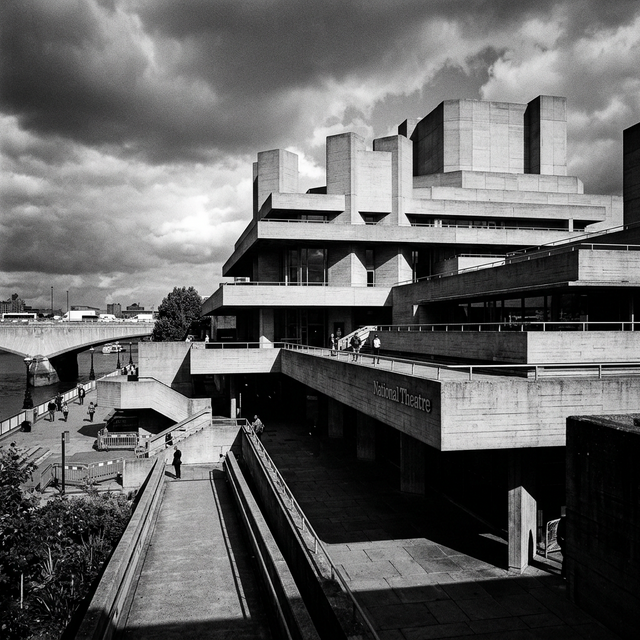
Brutalism cannot be divorced from the severe economic realities of post-war Europe. The massive destruction wrought by the Blitz and continental bombing campaigns necessitated an unprecedented volume of reconstruction. Compounding this physical need was a profound political shift toward social democracy; the newly formed welfare states of Britain and Europe were politically mandated to provide universal housing, education, and healthcare. This required a completely novel typology of massive, state-funded civic infrastructure: sprawling comprehensive schools, enormous brutalist hospitals, and colossal council housing estates capable of housing tens of thousands of displaced citizens. Concrete became the material of choice not merely out of aesthetic preference, but out of sheer logistical necessity. Steel was prohibitively expensive and rationed; however, cement, sand, and aggregate were abundant and relatively cheap. More crucially, pouring raw concrete allowed for rapid, mass-produced construction using largely unskilled labor, an essential factor given the severe shortage of skilled stonemasons and bricklayers. In this context, Brutalism emerged as the de facto official architectural style of the social democratic state. Its imposing, unyielding grey mass projected a sense of governmental permanence, democratic authority, and protective bulk. The colossal scale of buildings like the Barbican Estate or Park Hill in Sheffield was intended to inspire civic pride—monumental public architecture for the working class, a physical manifestation of a society determined to never again slide into the inequality and squalor that precipitated the war.