Béton Brut: Le Corbusier and the Ethics of the Concrete Sublime
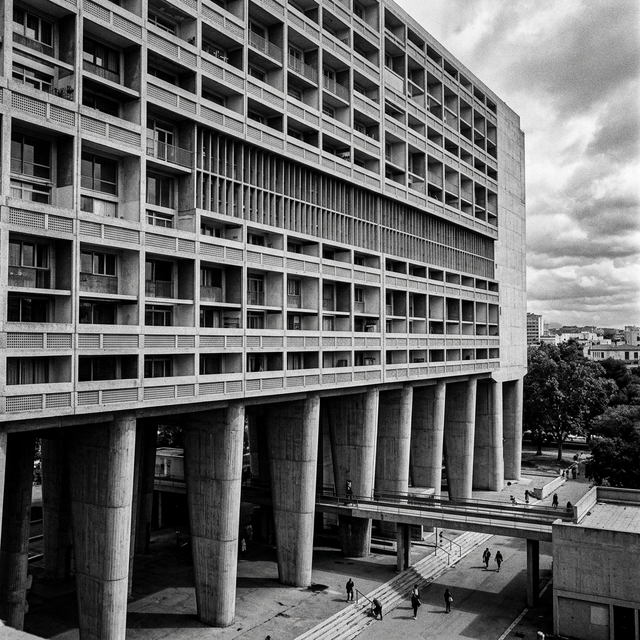
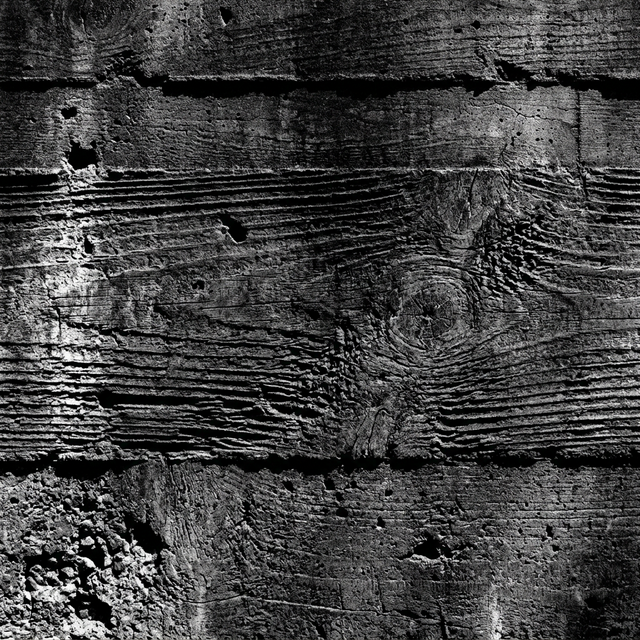
The foundational mythology of Brutalism is inextricably linked to Charles-Édouard Jeanneret, known as Le Corbusier, and his post-war monumental phase. The pivot began with his seminal realization of the Unité d'Habitation in Marseille (completed 1952). Facing severe post-war shortages of skilled labor and high-quality steel, Corbusier was forced to abandon the smooth, machinic precision of his earlier purist villas. Instead, he embraced the rough-cast reality of 'béton brut'—raw concrete. This was not merely an aesthetic compromise; it became a profound philosophical statement. By intentionally leaving the impressions of the rough timber formwork (board-marked concrete) visible on the finished surface, Corbusier captured the exact, violent moment of construction. The wood grain, the knots, the seams between the boards—all were fossilized into the heavy mass of the building. This represented a radical 'truth to materials.' The building no longer pretended to be a weightless abstract object; it confessed its own making. This approach extended to the massive, sculptural pilotis that elevated the structure, moving away from slender steel columns to titanic, muscular concrete legs capable of supporting immense communal weight. Furthermore, Corbusier introduced deep 'brise-soleil' (sun-breaker) penetrations onto the facade, a response to the Mediterranean climate that created profound, high-contrast shadow plays across the extreme cellular grid. The resulting structure was archaic, sublime, and undeniably heavy—a man-made mountain of raw earth and cement that fundamentally altered the trajectory of modernist architecture.