The Sociological Backlash: The 'Concrete Jungle' and Social Alienation
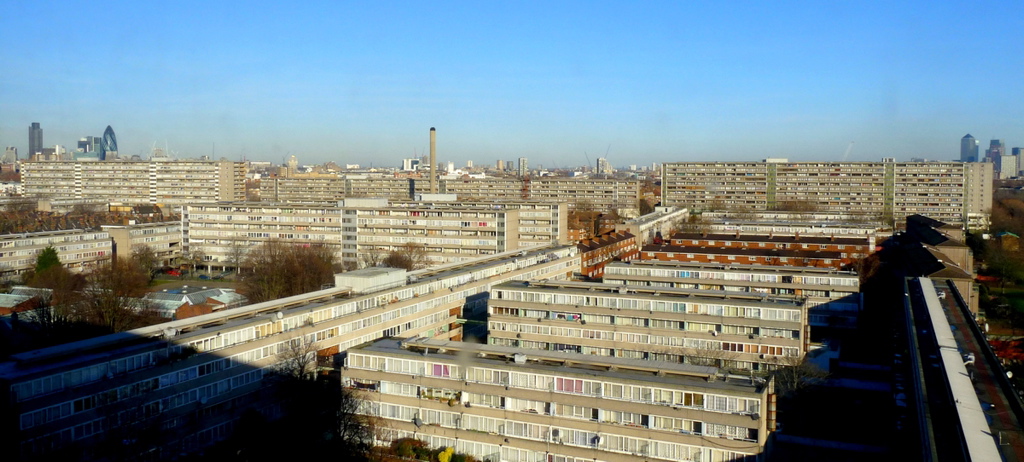
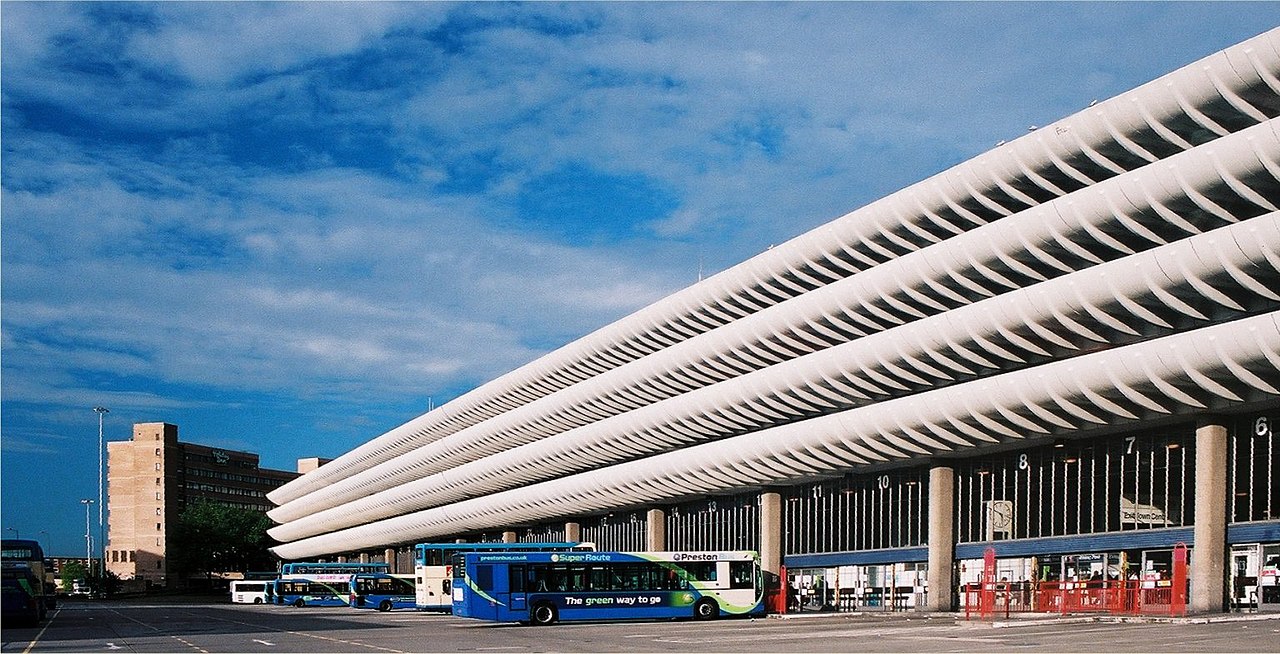
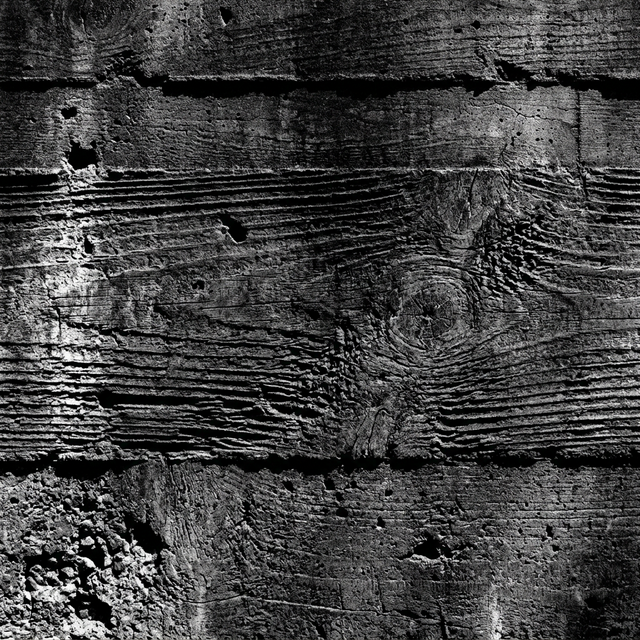
The downfall of Brutalism was inextricably linked to the collapse of the post-WWII socio-economic consensus that birthed it. By the late 1970s and 1980s, the global economy was gripped by stagflation, and the expansive social democratic welfare states began a rapid retreat. The colossal Brutalist housing estates (like Robin Hood Gardens or the massive banlieues of Paris) were suddenly starved of the essential municipal maintenance budgets required to sustain such complex megastructures. Lifts broke down, the 'streets in the sky' became unwatched, dangerous corridors, and the estates suffered from chronic underfunding. In the public imagination, the architecture itself was blamed for the ensuing concentrated poverty and social dysfunction. The uncompromising, raw aesthetic of 'béton brut' was weaponized by critics; the hard, grey, unyielding surfaces were deemed inherently hostile to human habitation. The media crystallized this sentiment in the ubiquitous trope of the 'concrete jungle.' Buildings designed by idealistic architects to foster community and egalitarian living were unfairly demonized as alienating, totalitarian monstrosities that crushed individual identity under the weight of the state. Brutalism became the visual shorthand for a failed, dystopian socialist experiment.